Why Flat Tire Repair Matters
A flat tire is never convenient, but how it's repaired is just as important as getting back on the road quickly. While some punctures can be safely repaired, others require tire replacement to maintain the safety and performance of your vehicle. Attempting to drive on a damaged or underinflated tire can permanently weaken its internal structure, increase the risk of a blowout, and lead to additional damage that may not be visible from the outside.
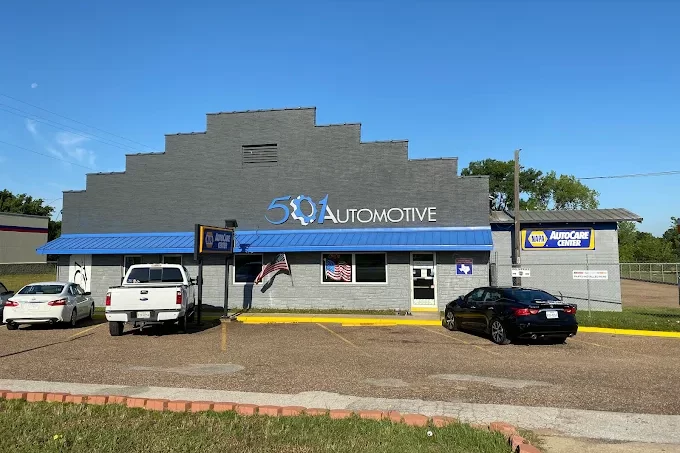
At 501 Automotive, we take tire safety seriously. Every flat tire is thoroughly inspected—both inside and out—to determine whether it meets industry standards for repair. Our experienced technicians don't simply plug a hole and send you on your way. We evaluate the entire tire for hidden damage, tread condition, sidewall integrity, and the location of the puncture to ensure the safest solution for your vehicle.
Whether you've picked up a nail on the highway or discovered a slow leak in your driveway, we're committed to getting you back on the road safely and confidently.
Safe Repairs You Can Trust
Not every flat tire needs to be replaced, and not every puncture can be safely repaired. Our technicians follow industry-approved repair procedures using professional materials designed to restore the tire's integrity whenever a safe repair is possible.
During every flat tire repair service, we inspect the tire's interior for hidden damage, remove the cause of the puncture, perform a professional repair, rebalance the tire if necessary, and verify proper tire pressure before returning your vehicle to the road. If we determine the tire cannot be safely repaired, we'll explain exactly why and help you choose the most cost-effective replacement option.
Our goal is never to sell you a tire you don't need—it's to provide honest recommendations that prioritize your safety while maximizing the life of your existing tires whenever possible.
Our Flat Tire Repair Service May Include:
- Complete Tire Inspection
- Internal Tire Inspection
- Industry-Approved Tire Repair
- Nail & Road Hazard Removal
- Leak Detection
- Tire Pressure Adjustment
- Precision Wheel Balancing (When Needed)
- Valve Stem Inspection
- TPMS Inspection (When Equipped)
- Wheel Inspection
- Tire Replacement Recommendation (If Required)
- Multi-Point Vehicle Inspection
Can every flat tire be repaired?
No. Tire repairs are only considered safe when the damage meets industry standards. Punctures in the tread area can often be repaired, but damage to the sidewall, shoulder of the tire, or large punctures typically require tire replacement. Every tire is inspected before any repair is recommended.
Why do you inspect the inside of the tire?
Internal inspection allows us to check for hidden damage that isn't visible from the outside. Driving on a flat tire—even for a short distance—can damage the internal structure, making the tire unsafe to repair. This inspection ensures your safety before the tire is returned to service.
What's the difference between a plug and a professional repair?
A simple plug seals the hole from the outside but doesn't inspect or repair the inside of the tire. A professional repair involves removing the tire, inspecting it internally, and installing an industry-approved combination patch and plug to restore the tire's sealing ability. This method provides a much safer and longer-lasting repair.
How long does a flat tire repair take?
Most flat tire repairs can be completed in 30 to 60 minutes, depending on the location of the damage, the condition of the tire, and whether additional balancing or inspections are needed.
Can I drive on a flat tire to get to your shop?
Driving on a flat or severely underinflated tire can cause permanent internal damage, even if the puncture itself is small. If possible, install your spare tire or have the vehicle towed to prevent additional damage.
Will my tire be balanced after the repair?
If necessary, yes. We verify that the repaired tire is properly balanced before returning it to service, helping ensure smooth operation and even tread wear.
What if my tire can't be repaired?
If we determine the tire isn't safe to repair, we'll explain exactly why and discuss replacement options that fit your vehicle and budget. We believe in honest recommendations and will never suggest replacing a tire unless it's truly necessary.
Can low tire pressure damage my tires?
Absolutely. Driving with low tire pressure creates excessive heat, increases tread wear, reduces fuel economy, and can permanently damage the internal structure of the tire. Maintaining proper tire pressure is one of the easiest ways to maximize tire life and improve safety.
Can a nail stay in my tire without causing a leak?
Yes. Sometimes the object temporarily seals the puncture, causing little or no air loss. However, the tire should still be inspected promptly because the puncture can begin leaking at any time or allow moisture to enter the tire, leading to internal damage.
Do you inspect my other tires during the repair?
Yes. Whenever possible, we inspect all four tires for tread depth, inflation, uneven wear, and signs of damage. If we notice anything that could affect your safety or tire life, we'll discuss it with you before recommending any additional service.